



美語教學|後疫情時代興起,原有的產業結構鏈重整,在加強地方數位建設與培養複合型人變成是各國的首要任務之一。
狄更斯(Dickens,C.)在《雙城記》(A Tale of Two Cities)開頭便點出:“It was the best of times, it was the worst of times, it was the age of wisdom, it was the age of foolishness,..."
出版於1859年,書中當時的寫照,倒映在現今後疫情時代(post-pandemic era)毫無違和感。

《雙城記》(A Tale of Two Cities)
原文:“It was the best of times, it was the worst of times, it was the age of wisdom, it was the age of foolishness, it was the epoch of belief, it was the epoch of incredulity, it was the season of Light, it was the season of Darkness, it was the spring of hope, it was the winter of despair, we had everything before us, we had nothing before us, we were all going direct to Heaven, we were all going direct the other way--in short, the period was so far like the present period, that some of its noisiest authorities insisted on its being received, for good or for evil, in the superlative degree of comparison only.”
譯文:「這是最好的時代,也是最壞的時代;這是智慧的時代,也是愚蠢的時代;這是信仰的時期,也是懷疑的時期;這是光明的季節,也是黑暗的季節;這是希望之春,也是失望之冬;人們面前有著各樣事物,人們面前也一無所有;人們正在直登天堂,人們也在直下地獄—--簡而言之,那時跟現在非常相像,某些最喧囂的權威堅持要用形容詞的最高級來形容它。說它好,是最高級的;說它不好,也是最高級的。」
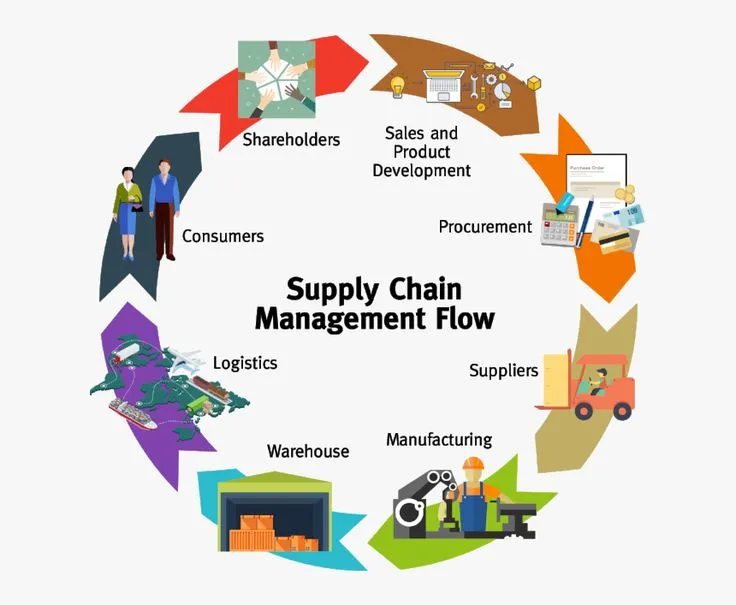
因為一個突如其來的疾病,將世界運轉軌道繞了個圈:產業供應鏈(supply chain)重新調整、經營模式從成本導向(cost-oriented pricing)轉向市場導向(market orientation)、企業數位轉型與變革等,策略佈局重新洗牌。
供需不平衡,很多產業別無法擴大,守舊當然會保住公司,但沒辦法永續經營(sustainable development)——到下個世代,公司策略變沒作用了,因為不符合現今趨勢。
這個觀念放在各國政府策略上也是一樣的。
積極轉型的目的,不是為了要打垮舊的人事物,相反地,是為了守護舊的人事物,所以需要轉型。
轉型(transformation),注入活水,才有能力保住現有的一切。
各個國家目前也提出許多政策來因應社會轉型。行政院「前瞻基礎建設計畫」(Forward-Looking Infrastructure Development Program)中便以「數位建設」(digital technology)作為增加國家競爭力的重要指標。
而網路,就是其中最好的媒介(medium)。
台灣人口數有限,「人才」便是提升國家競爭力的最好方式。縮短城鄉(the gap / disparity between urban and suburban / rural area)差距藉以將優秀人才比率提高就是一前瞻投資。

數位學習(e-learning)在疫情發生後需求大增。校園內整合現有公共網路(integrate existing public networks)、提供異地雙中心架構(build up remote dual-center structure),強化政府網路(GSN)與學術網路(TANet / TWAREN)的跨網傳輸效率(strengthen the cross-network transmission
efficiency)及備援能力(backup capabilities)為政府首要任務。
而數位學伴(Digital Learning Partners)便是藉由視訊設備與線上學習平臺,串聯教學端(大學生)與學習端(國民中小學 / DOC 學童),進行一對一線上即時陪伴與學習(one-on-one, real-time companionship and lessons)。
在數位轉型(digital transformation)的過程中,唯有基礎設施(infrastructure)充裕完備的狀況下,在使用數位工具上才能夠破除地域限制(bypass geographic restrictions),在便利性、取得性、使用成本都一樣時,臺灣產業與國外產業在數位工具使用上才享有相同立足點(starting point)。
分類標籤: